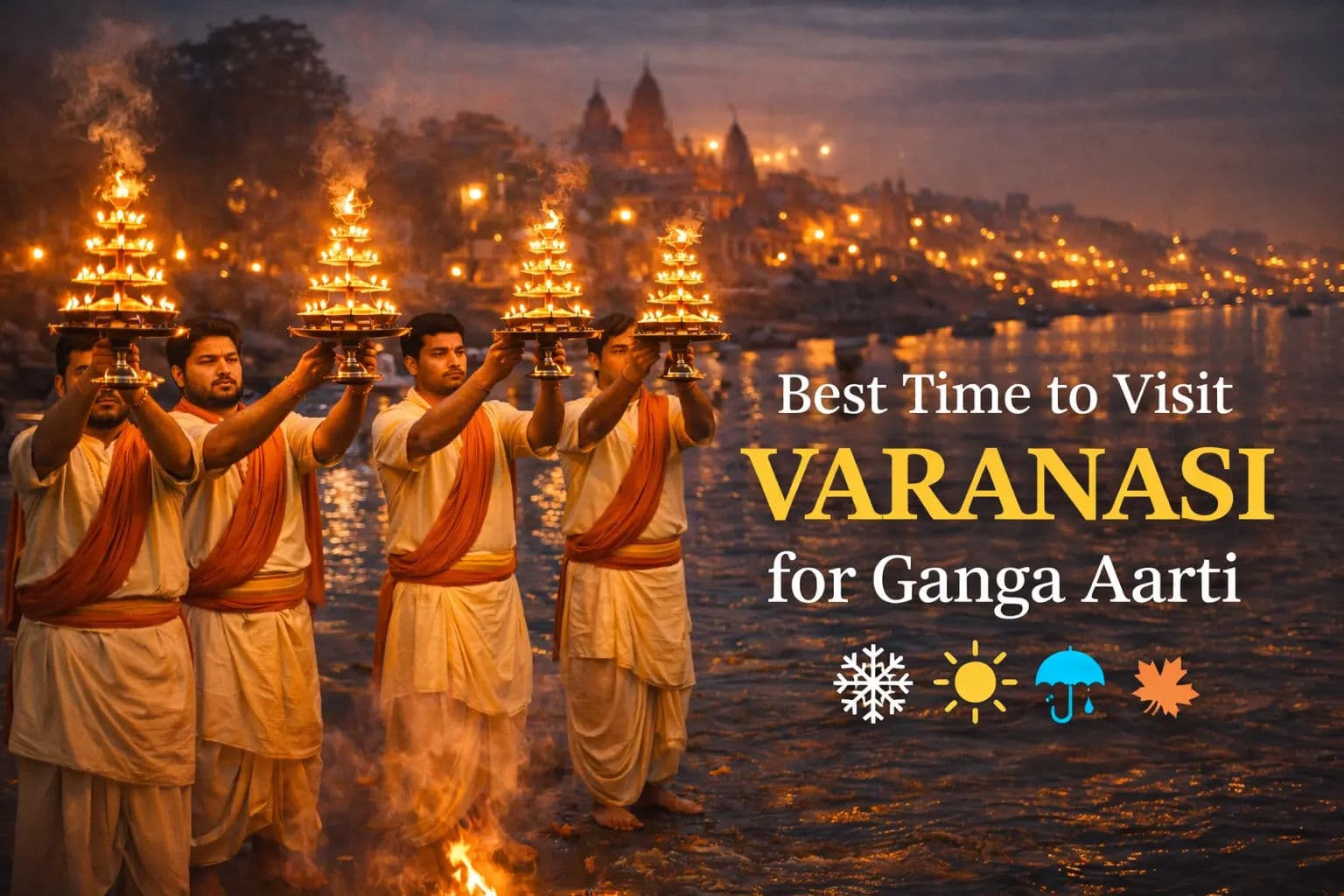
Best Time to Visit Varanasi for Ganga Aarti
Learn about the optimal seasons and times to experience the mesmerizing Ganga Aarti in Varanasi.
Introduction to Seasonal Timing
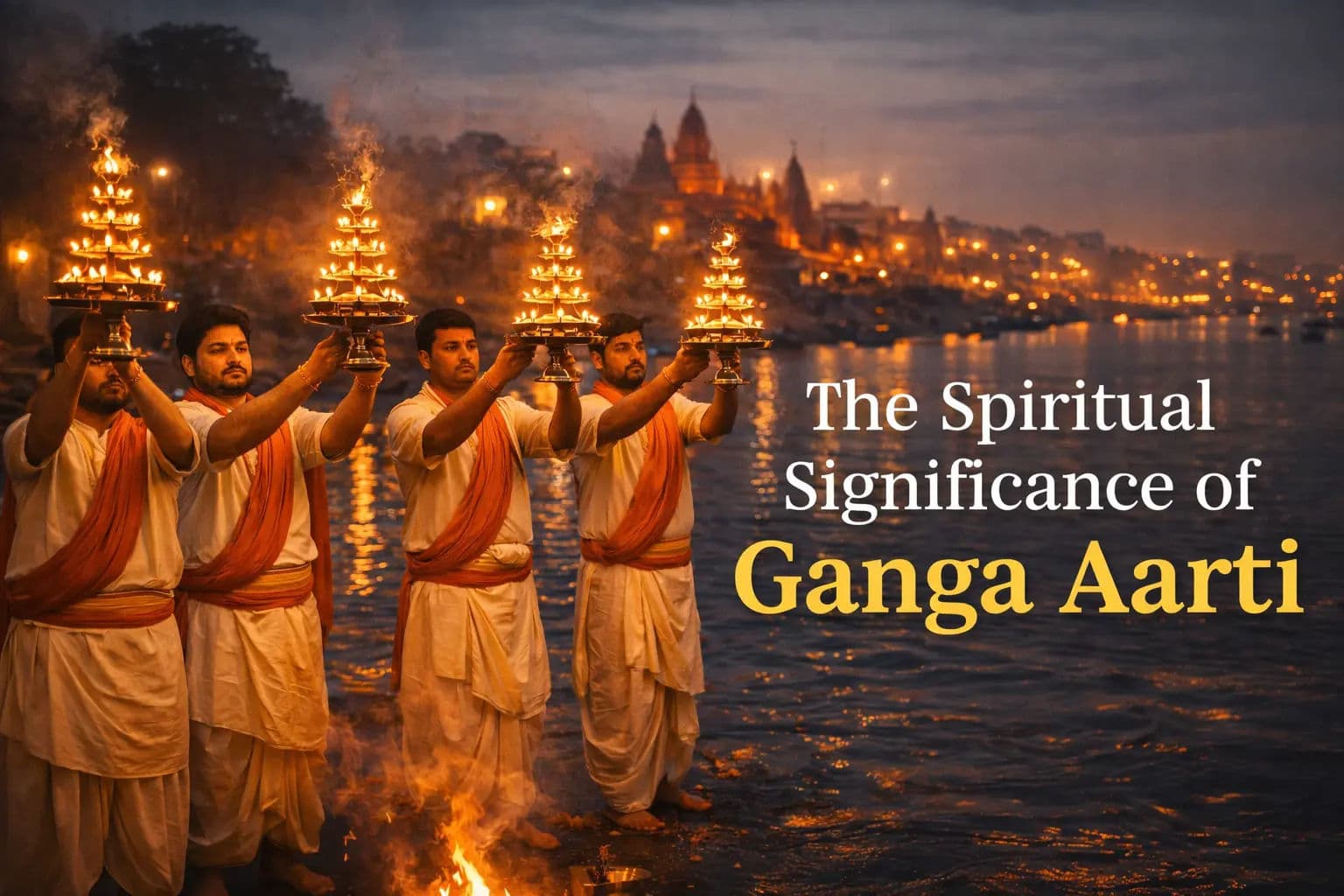
Varanasi, the spiritual capital of India, offers the Ganga Aarti ceremony throughout the year, but certain times provide an unparalleled experience. The winter months from October to February are considered ideal for visitors, with pleasant weather and fewer crowds. The evening Aarti begins at sunset, typically around 5:30-6:00 PM depending on the season.
Winter Season (October to February)
Winter months (October to February) are generally considered the most comfortable time to visit. Temperatures range from 15-25°C (59-77°F) during the day and 8-15°C (46-59°F) at night. The cool, crisp air makes sitting through the evening ceremony pleasant, and the lower humidity means clearer views of the proceedings. The winter season also brings fewer tourists, allowing for a more intimate and authentic experience. You can often get closer to the main performance area and have more space to spread out your seating. The reduced crowds create a more contemplative atmosphere that enhances the spiritual impact of the ceremony. However, winter evenings can be quite chilly, especially near the river. Visitors should bring warm clothing, shawls, or blankets to stay comfortable during the ceremony. The cool air can actually enhance the experience by making the warm glow of the oil lamps more striking and comforting.
Spring Season: March to May
Spring (March to May) offers pleasant weather with temperatures ranging from 20-35°C (68-95°F). This season coincides with Holi and other festivals, bringing vibrant colors and celebratory energy to Varanasi. The Aarti ceremonies during this time often feature special decorations and enhanced lighting displays. The spring season is ideal for those who want to combine their Aarti experience with festival celebrations. The warmer weather makes evening activities more comfortable, and the festive atmosphere adds an extra layer of joy and community to the experience. However, spring can bring variable weather, including occasional dust storms or light showers. The increasing temperatures toward May can make the evenings warm, so light, breathable clothing is recommended. This season attracts more tourists, so booking accommodations and viewing spots in advance is advisable.
Summer Season: June to August
Summer (June to August) is the hottest time to visit, with temperatures often exceeding 40°C (104°F) during the day. However, the evening Aarti provides welcome relief as temperatures drop to a more comfortable 25-30°C (77-86°F). The river breeze adds to the cooling effect, making the ceremony surprisingly pleasant despite the daytime heat. Summer visits offer a more local, authentic experience with fewer foreign tourists. The intense heat keeps crowds smaller, allowing for more personal interactions with locals and a deeper immersion in Varanasi's daily rhythms. The evening ceremonies often have a more intimate, community-focused feel during this time. The summer season is perfect for those seeking an off-the-beaten-path experience. With fewer tourists, you can explore the ghats more freely and engage with local residents. However, the extreme daytime heat can be challenging. Visitors should plan their activities around the cooler morning and evening hours, staying hydrated and taking breaks in shaded areas. The summer experience offers a unique perspective on how locals experience the ceremony, providing cultural insights that are harder to find during peak tourist seasons.
Monsoon Season: July to September
Monsoon season (July to September) brings heavy rains and flooding, which can significantly impact travel plans. The Ganges River swells considerably, sometimes making boat rides impossible and affecting the ceremony locations. However, when the rains pause, the Aarti can be spectacular with dramatic cloud formations and occasional lightning displays. The monsoon season is for adventurous travelers who don't mind unpredictable weather. The swollen river creates a powerful, elemental atmosphere that can make the ceremony feel particularly primal and connected to nature's forces. However, the rains can disrupt travel plans and make outdoor activities challenging. Visitors should be prepared for last-minute changes and have flexible itineraries.
Autumn Season: September to November
Autumn (September to November) marks the transition from monsoon to winter, bringing clearer skies and moderate temperatures. This period is excellent for photography and offers a good balance of comfort and crowd levels. The post-monsoon air is cleaner, providing better visibility for the ceremony. The autumn season offers the best of both worlds - comfortable weather and a return to more normal tourist activity. The clear skies provide excellent conditions for viewing the ceremony, and the moderate temperatures make for pleasant evenings. This is also a good time for combining Aarti visits with other Varanasi attractions, as the weather is generally cooperative. The best time ultimately depends on your priorities. For comfort and intimacy, winter is ideal. For festive energy, spring works best. For authentic local experiences, summer offers unique opportunities. For dramatic weather and fewer crowds, monsoon season has its appeal. Regardless of the season, planning ahead is crucial. Book accommodations well in advance, especially during peak seasons. Check weather forecasts and be prepared for Varanasi's variable climate. Consider the full moon periods, which often bring special ceremonies and larger crowds. The most important consideration is your personal comfort and the type of experience you seek. Whether you prefer cool, contemplative winter evenings or vibrant, festive spring celebrations, Varanasi's Ganga Aarti offers something special in every season. Remember that the spiritual essence of the ceremony transcends seasonal variations. The core experience of divine connection remains powerful regardless of weather or crowd size. Choose the time that best suits your travel preferences while remaining open to the unique gifts each season brings. The timing of your visit also affects the practical aspects of experiencing the Aarti. During peak seasons, you may need to arrive earlier to secure good viewing positions. Off-season visits might require more research to find the best spots, but offer more flexibility. The seasonal variations also influence the types of accommodations available and their pricing. Peak season brings higher rates but more amenities, while off-season offers better value but potentially fewer services. Transportation options vary by season as well. During monsoon, some routes may be affected by flooding, while summer heat might limit walking tours. Each season has its own rhythm and requires different preparation strategies. The cultural context of Varanasi changes with the seasons too. Festivals bring special ceremonies and local celebrations that enhance the Aarti experience. Understanding the local calendar helps you time your visit for maximum cultural immersion. The seasonal changes also affect the river itself, which plays such a central role in the ceremony. Water levels, flow rates, and even the river's appearance change dramatically throughout the year, adding different visual elements to the experience. The performers and priests adapt their practices to seasonal conditions, sometimes incorporating different elements or adjusting the ceremony's length. This adaptability ensures that the spiritual essence remains strong regardless of external circumstances. The best approach is to research thoroughly and choose based on your personal preferences and constraints. Consider not just the weather, but also your travel style, budget, and desired level of cultural immersion. Varanasi's Ganga Aarti is a flexible experience that can accommodate many different visitor needs and preferences. The key is to approach your visit with an open mind and a willingness to embrace whatever the season brings. The ceremony's spiritual power transcends weather and crowds, offering profound experiences to those who seek them. Whether you visit in the cool tranquility of winter or the vibrant energy of spring, the Ganga Aarti has the power to touch your soul and create memories that last a lifetime. The seasonal variations add richness and diversity to the experience, ensuring that no two visits are ever exactly the same. This dynamic quality keeps the tradition alive and relevant for modern visitors. The changing seasons remind us of the cyclical nature of life itself, mirroring the eternal flow of the Ganges River. By visiting at different times, you can experience multiple facets of this sacred tradition, each offering unique insights and blessings. The best time to visit Varanasi for Ganga Aarti is ultimately the time that feels right for you. Trust your intuition, do your research, and prepare for an experience that will stay with you long after you return home. The ceremony awaits, ready to share its ancient wisdom and spiritual power with all who approach with reverence and an open heart.
You Might Also Like