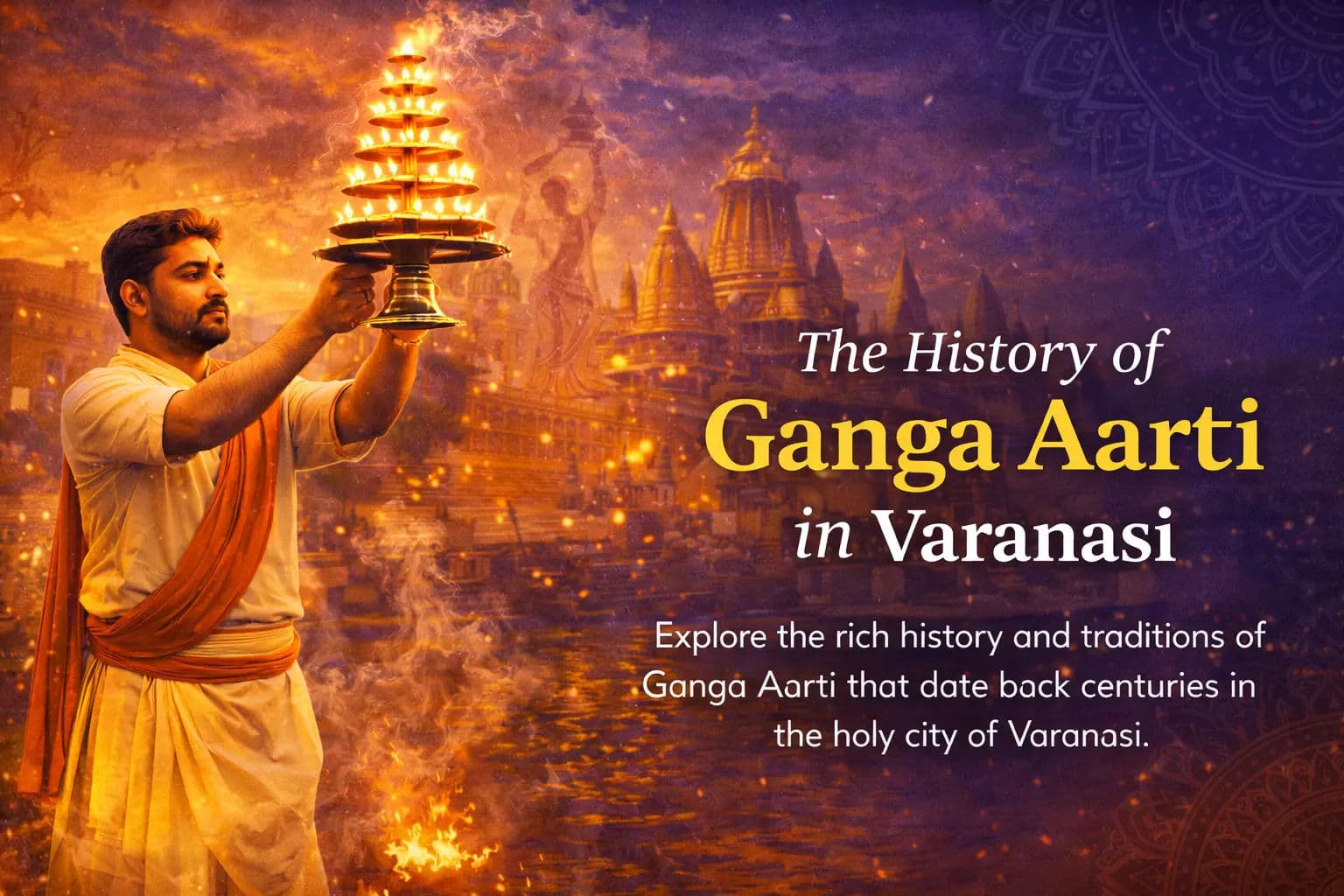
The History of Ganga Aarti in Varanasi
Explore the rich history and traditions of Ganga Aarti that date back centuries in the holy city of Varanasi.
Introduction to Ganga Aarti History
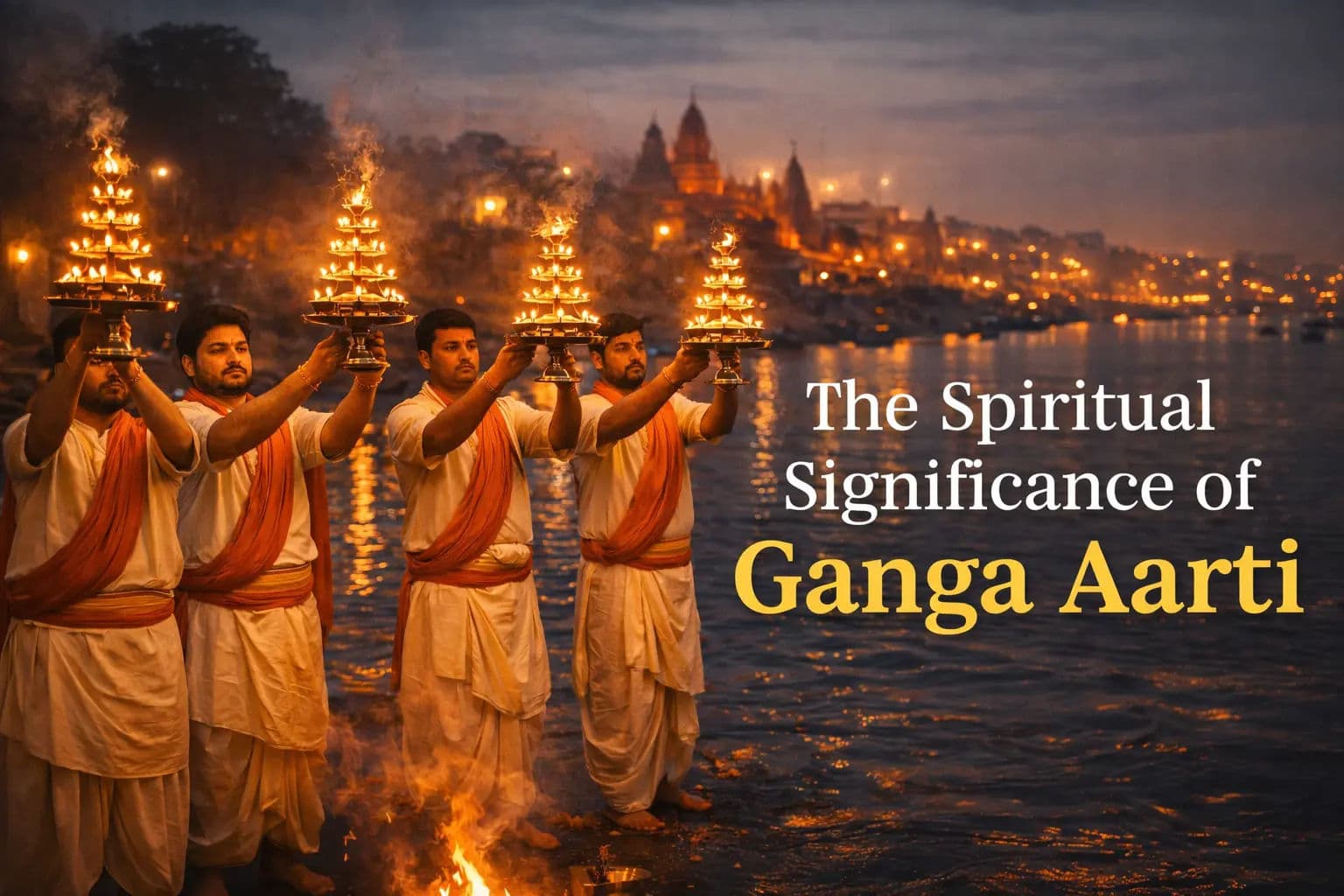
The Ganga Aarti tradition in Varanasi dates back over 300 years, with roots in ancient Hindu rituals. The ceremony we see today was formalized during the reign of Maharaja Balwant Singh in the 18th century. Originally performed by temple priests, the Aarti has evolved to include professional performers who have dedicated their lives to this sacred art.
The Sacred Venue: Dashashwamedh Ghat
The Dashashwamedh Ghat, where the main ceremony takes place, has been a center of spiritual activity for millennia. The ceremony combines elements of classical Indian music, dance, and ritual worship. Each movement and chant has been passed down through generations, preserving the authenticity of this ancient tradition.
A Living Bridge Between Past and Present
Today, the Ganga Aarti attracts millions of visitors annually, serving as a living bridge between India's glorious past and its vibrant spiritual present.
Ancient Origins and Vedic Roots
The history of Ganga Aarti in Varanasi is a fascinating journey through time, reflecting the city's evolution from ancient spiritual center to modern pilgrimage destination. This sacred ritual has witnessed centuries of cultural, political, and social changes while maintaining its core spiritual essence.
The origins of Aarti ceremonies in India date back to Vedic times, with the earliest references found in ancient texts like the Rig Veda. These early rituals involved offering light to deities as a symbol of devotion and enlightenment. The specific practice of Ganga Aarti, however, developed uniquely in Varanasi due to the city's special relationship with the River Ganges.
Varanasi: A Spiritual Center for 3,000 Years
Varanasi's history as a spiritual center stretches back over 3,000 years. The city's ancient name, Kashi, appears in the oldest Hindu scriptures. The ghats along the Ganges have served as sites for ritual bathing and ceremonies since the city's founding. The natural amphitheater created by the riverbank ghats made Varanasi an ideal location for large-scale public rituals.
18th Century Formalization
The formalization of Ganga Aarti as we know it today occurred during the 18th century under the patronage of Maharaja Balwant Singh. This ruler recognized the ceremony's potential to unite the community and attract pilgrims. He established the current format, combining music, dance, and synchronized movements that have become the hallmark of Varanasi's Aarti.
The Evolution of Performers
The performers, known as 'pandits' or 'priests,' underwent a transformation during this period. What began as temple-based rituals evolved into specialized performances requiring years of training. The current generation of performers represents a living tradition, with knowledge passed down through family lineages.
The Dashashwamedh Ghat's Rich History
The Dashashwamedh Ghat, the main venue for Ganga Aarti, has its own rich history. 'Dashashwamedh' means 'ten horse sacrifices,' referring to a legendary event where Lord Brahma performed sacrifices. This ghat has served as a center for royal ceremonies, religious festivals, and public gatherings throughout history.
The Colonial Period Influence
The British colonial period brought new influences to the ceremony. While the core rituals remained unchanged, the introduction of modern lighting and sound systems enhanced the visual and auditory experience. The British administrators recognized the tourism potential of the ceremony and helped promote it internationally.
Post-Independence Preservation
Post-independence India saw Ganga Aarti become a symbol of cultural heritage. Government initiatives preserved the tradition while making it accessible to modern audiences. The ceremony's inclusion in tourism circuits brought economic benefits to the local community while ensuring its continuation.
Musical Tradition Evolution
The musical tradition of Ganga Aarti evolved alongside the ritual itself. Classical ragas adapted to devotional contexts, creating a unique musical style. The instruments used - harmoniums, cymbals, bells, and drums - each have specific roles in creating the ceremony's sonic landscape.
Expanding Social and Cultural Impact
Social changes in modern India have influenced the ceremony's audience. What was once primarily a local Hindu ritual now attracts visitors from diverse backgrounds. The universal themes of light, devotion, and spiritual connection resonate across cultural boundaries.
Environmental Consciousness Integration
Environmental awareness has become part of the Aarti's modern history. Recent initiatives focus on using eco-friendly materials and promoting river cleaning. The ceremony's emphasis on the sacred Ganges aligns with contemporary environmental concerns.
Technological Advancements and Global Reach
Technological advancements have transformed how people experience Ganga Aarti. Live streaming allows global audiences to participate virtually, while social media sharing introduces new generations to this ancient tradition. Digital documentation preserves the ceremony for future study.
Enduring Spiritual Significance
Despite these changes, the core spiritual significance remains constant. The ceremony continues to serve as a bridge between human and divine, offering moments of transcendence in an increasingly complex world.
Future Generations and Cultural Continuity
The future of Ganga Aarti looks bright as new generations discover its beauty and significance. Educational programs in schools and universities ensure the tradition's continuity. Cultural exchanges bring international appreciation for this living heritage.
Patterns of Continuity and Change
The historical development of Ganga Aarti reflects broader patterns in Indian spiritual traditions. The ceremony evolved from private temple rituals to public spectacles, mirroring the democratization of spiritual practices in India. This evolution made sacred experiences accessible to ordinary people, not just priests and royalty.
The Role of Royal Patronage
The role of royal patronage in the ceremony's development cannot be overstated. Maharaja Balwant Singh's vision transformed a local ritual into a cultural institution. His investment in performers, instruments, and infrastructure created the foundation for the ceremony we know today. The royal legacy continues to influence the ceremony's organization and prestige.
Colonial Encounter and Adaptation
The colonial encounter brought both challenges and opportunities. While British rule introduced new technologies and audiences, it also threatened traditional practices. The ceremony's survival during this period demonstrates its resilience and adaptability.
Post-Colonial Cultural Identity
The post-colonial period saw Ganga Aarti become a symbol of Indian cultural identity. Government recognition and protection ensured its continuation amidst rapid modernization. Tourism development brought new economic dimensions while preserving spiritual authenticity.
Musical Evolution Through Eras
The musical evolution of Ganga Aarti reflects changing cultural contexts. From classical ragas to contemporary arrangements, the music has adapted while maintaining devotional essence. New compositions honor tradition while expressing modern spiritual experiences.
Global Expansion of Audience
Social transformations have expanded the ceremony's audience dramatically. What began as a local ritual now draws international visitors, creating global communities of devotees. This expansion reflects the universal appeal of the ceremony's spiritual message.
Modern Environmental Integration
Environmental consciousness has become integral to the Aarti's modern practice. Conservation efforts protect the Ganges while the ceremony promotes ecological awareness. This integration of environmental and spiritual values creates holistic approaches to sacred traditions.
Digital Age Transformation
Technological integration has opened new dimensions for the ceremony. Digital platforms extend its reach globally, creating virtual communities of participants. Online resources preserve knowledge and facilitate learning for new generations.
Adaptability and Relevance
The ceremony's adaptability ensures its continued relevance. While forms may change, the core spiritual experience remains constant. This flexibility allows the tradition to thrive in diverse cultural contexts.
Educational Preservation Efforts
Educational initiatives play crucial roles in preservation. Schools, universities, and cultural institutions teach about Ganga Aarti, ensuring knowledge transfer to younger generations. These programs create informed participants and future stewards of the tradition.
International Cultural Exchange
International cultural exchange has enriched the ceremony's global significance. Visitors from around the world bring diverse perspectives, creating cross-cultural dialogues. These exchanges foster mutual understanding and appreciation.
Living History and Contemporary Relevance
The living history of Ganga Aarti demonstrates how spiritual traditions can evolve while maintaining their sacred power. The ceremony serves as a bridge between past and future, connecting ancient wisdom with contemporary spiritual needs. As Varanasi continues to change, the Ganga Aarti remains a constant source of spiritual inspiration and cultural pride.
Historical Patterns and Modern Lessons
The historical journey of Ganga Aarti reveals patterns of continuity and change that characterize living spiritual traditions. The ceremony has adapted to new circumstances while preserving its essential spiritual core. This balance of tradition and innovation ensures its enduring vitality.
Individual Performers' Legacy
The role of individual performers in the ceremony's history is particularly significant. These dedicated artists have carried the tradition forward through generations, adapting to changing times while maintaining authenticity. Their personal stories reflect the broader historical narrative of the ceremony.
Architectural and Spatial Evolution
The physical space of the Dashashwamedh Ghat has shaped the ceremony's development. The ghat's architecture and location have influenced performance styles and audience experiences. Historical modifications to the ghat have accommodated growing crowds while preserving ceremonial integrity.
Economic Dimensions Through History
Economic factors have played important roles in the ceremony's evolution. From royal patronage to modern tourism, economic support has enabled the tradition's continuation. The balance between commercial and spiritual aspects remains an ongoing consideration.
Global Cultural Representation
The ceremony's historical significance extends beyond Varanasi. As a symbol of Indian spirituality, Ganga Aarti has influenced cultural representations worldwide. Its depiction in art, literature, and media has shaped global perceptions of Indian spiritual traditions.
Future Historical Study
Future historians will continue to study Ganga Aarti as a case study in cultural preservation and adaptation. The ceremony offers insights into how spiritual traditions navigate modernization while maintaining their sacred essence. Its ongoing evolution provides valuable lessons for cultural heritage management.
Spiritual Resilience Through Time
The history of Ganga Aarti in Varanasi is ultimately a story of spiritual resilience. Despite centuries of change, the ceremony continues to offer profound experiences to seekers. This enduring power validates the timeless nature of genuine spiritual practice.
You Might Also Like