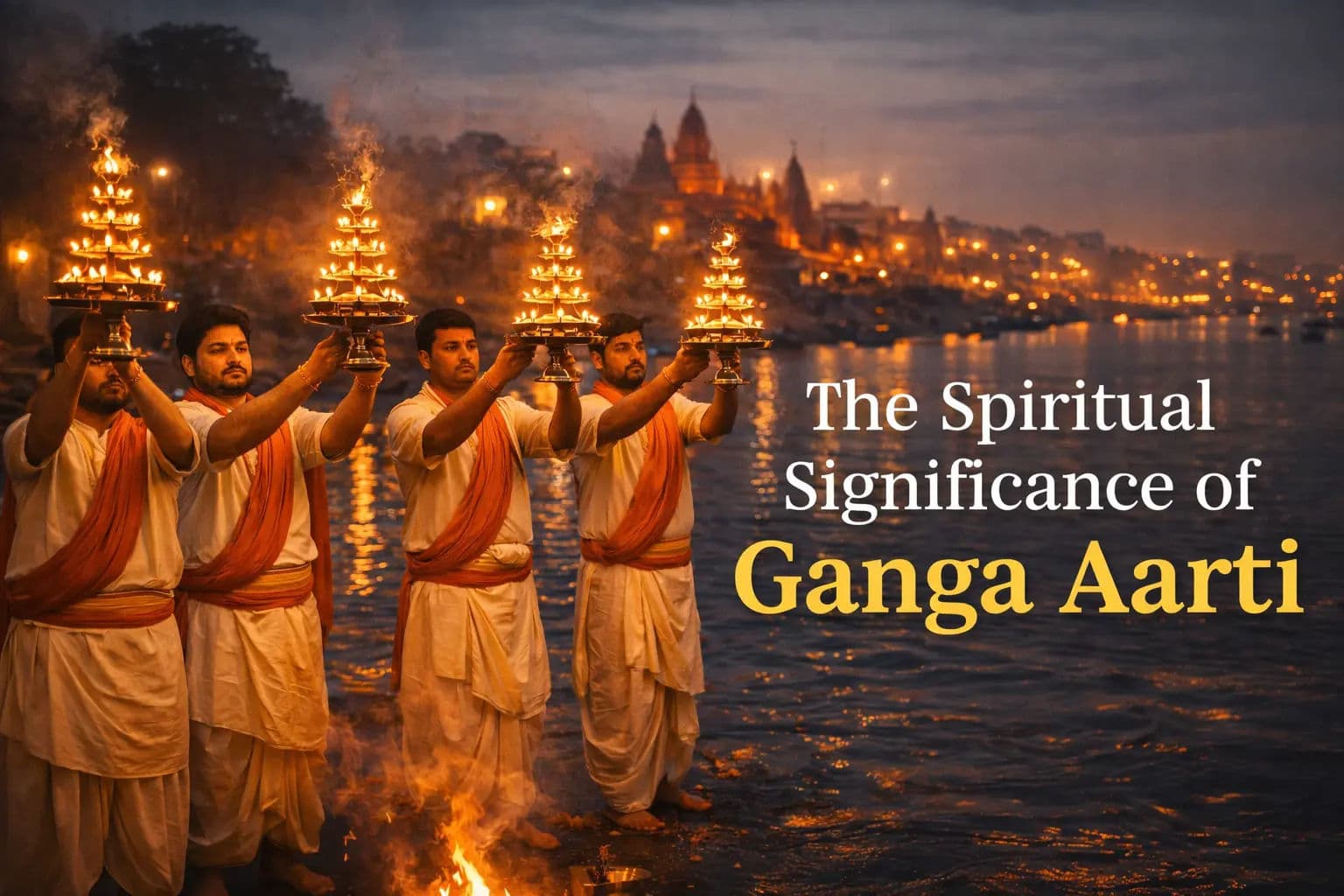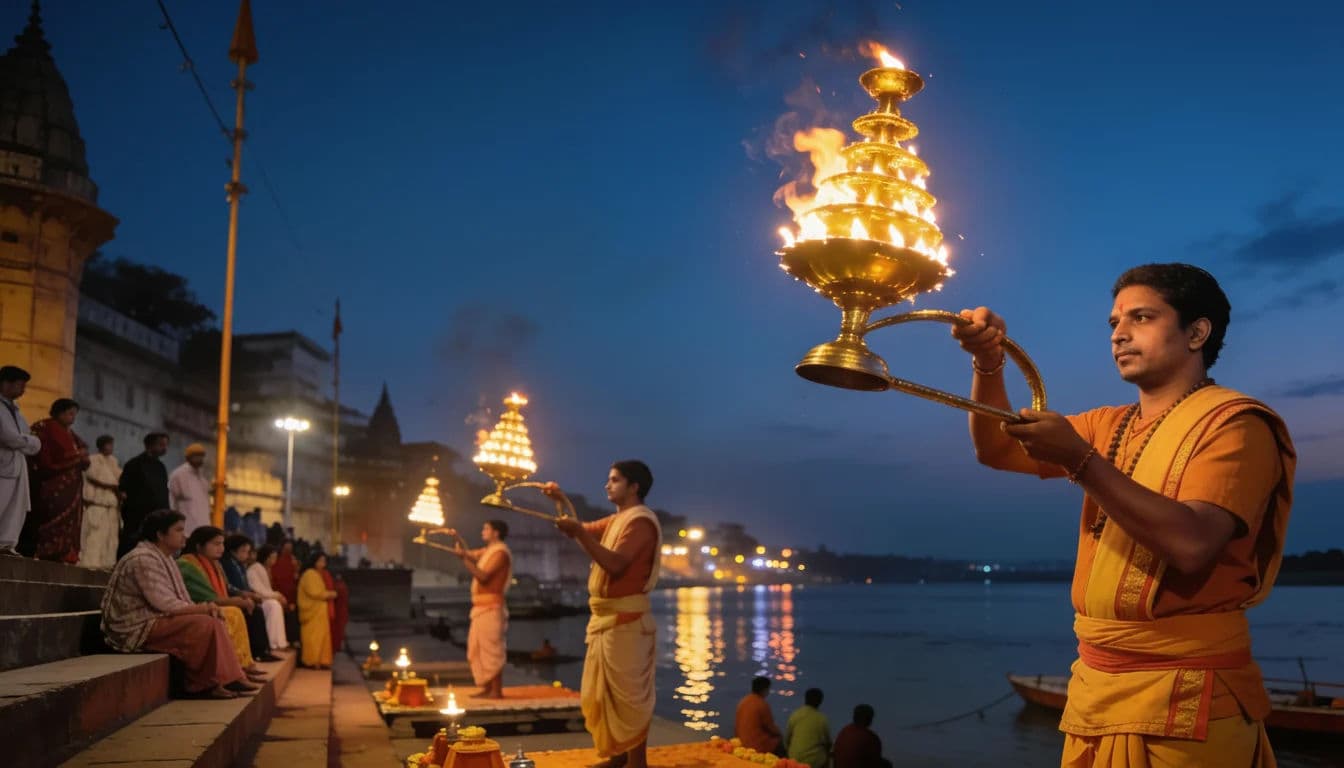
Cultural Etiquette for Ganga Aarti Visitors
Essential cultural etiquette and respectful practices to follow when attending Ganga Aarti ceremonies.
Introduction to Cultural Etiquette
Attending Ganga Aarti is a privilege that comes with the responsibility to respect local customs and traditions. Understanding proper etiquette enhances your experience and shows respect for the sacred nature of the ceremony.
Essential Guidelines
Dress modestly and remove your shoes when appropriate. Photography is generally allowed but avoid using flash during the ceremony. Maintain silence and avoid disruptive behavior. Join in the collective experience by standing when appropriate and following the lead of local devotees. Offering a small donation or flower to the river is a meaningful gesture.
Respectful Participation
Remember that you're participating in a living religious tradition. Approach the experience with humility and an open heart to fully appreciate its spiritual significance.
Foundation of Respect
Cultural etiquette forms the foundation of a respectful and meaningful Ganga Aarti experience. Understanding and honoring local customs transforms you from a tourist into a participant in this sacred tradition.
Modest Dress Code
Modest dress reflects respect for the sacred space and local sensibilities. Women should wear clothing that covers shoulders and knees; men should avoid sleeveless shirts. Scarves or shawls provide additional coverage and serve as practical items for the evening chill.
Footwear Etiquette
Footwear etiquette varies by location. Remove shoes when sitting on ghats or entering temple areas. Clean, closed-toe shoes are practical for walking on the stone surfaces. Some visitors prefer to go barefoot to better connect with the sacred ground.
Photography Guidelines
Photography requires careful consideration. While photos are permitted, flash photography disrupts the ceremony and disrespects participants. Use available light or long exposures instead. Focus on the overall ceremony rather than individual performers. Ask permission before photographing people.
Maintaining Sacred Atmosphere
Silence and minimal movement preserve the contemplative atmosphere. Avoid loud conversations, phone calls, or disruptive behavior. The ceremony's power comes from collective focus-your quiet presence contributes to this sacred energy.
Active Participation
Participating actively shows respect for the tradition. Stand when local devotees stand, sit when they sit. Follow the natural flow of the ceremony. Some visitors learn simple gestures or join in the final 'Har Har Gange' chant.
Donations and Offerings
Donations and offerings demonstrate appreciation for the experience. Small contributions to performers or flowers offered to the river are meaningful gestures. These support the continuation of the tradition and show gratitude for the experience.
Timing and Punctuality
Timing and punctuality respect both the performers and fellow visitors. Arrive early to secure your spot without rushing others. Stay for the complete ceremony when possible, as leaving early disrupts the energy flow.
Food and Refreshments
Food and refreshment consumption should be discreet. Avoid eating during the ceremony itself. If you must eat, do so quietly away from the main viewing area. Some visitors fast before the ceremony to enhance their spiritual experience.
Respectful Interactions
Interaction with locals should be respectful and minimal during the ceremony. Save conversations for before or after. Learn basic Hindi phrases like 'Namaste' and 'Dhanyavaad' to show cultural appreciation.
Personal Space and Contact
Physical contact and personal space considerations vary by cultural context. Respect personal boundaries, especially with members of the opposite gender. Handshakes may be replaced with the traditional 'Namaste' greeting.
Environmental Respect
Environmental respect extends to the sacred Ganges River. Avoid littering or polluting the water. Support conservation efforts by learning about river cleanup initiatives.
Post-Ceremony Etiquette
Post-ceremony etiquette includes proper departure. Leave quietly without disturbing the concluding moments. Express gratitude to performers if appropriate. Reflect on your experience rather than immediately sharing on social media.
Cultural Sensitivity
Cultural sensitivity extends to understanding the broader context. Learn about Hindu traditions, the significance of the Ganges, and Varanasi's role as a spiritual center. This knowledge enhances your appreciation and respect.
Genuine Reverence
The most important etiquette is approaching the experience with genuine reverence. The Ganga Aarti is not entertainment-it's a living spiritual tradition. Your respectful participation honors centuries of devotion and creates positive karma.
Cultivating the Right Attitude
Cultural etiquette isn't just about following rules-it's about cultivating the right attitude. When you approach the ceremony with humility and openness, you naturally behave in ways that respect the sacred space and its traditions.
Local Appreciation
Remember that locals notice and appreciate respectful behavior. Your actions contribute to the global perception of visitors and help preserve this beautiful tradition for future generations.
Preparation and Planning
The etiquette extends to preparation and planning. Research the ceremony beforehand to understand what to expect. Choose appropriate clothing and bring necessary items. Plan your transportation to arrive on time without causing inconvenience to others.
Environmental Mindfulness
The etiquette includes being mindful of your impact on the environment. Use reusable water bottles, avoid single-use plastics, and support local conservation efforts. These actions demonstrate respect for the sacred Ganges and the local community.
Photography Etiquette Details
Photography etiquette deserves special attention. While capturing memories is natural, the sacred nature of the ceremony requires restraint. Focus on the overall atmosphere rather than individual people. Never use flash, and be aware that some traditionalists prefer no photography at all.
Understanding Ceremony Structure
The etiquette involves understanding the ceremony's timing and structure. Learn about the different phases of the Aarti and how to participate appropriately. This knowledge allows you to follow along and contribute to the collective experience.
Gift-Giving Culture
Gift-giving etiquette is important in Indian culture. If you wish to make donations, do so discreetly and respectfully. Flowers, incense, or small monetary contributions are appropriate ways to show appreciation.
Body Language and Posture
The etiquette includes being aware of your body language and posture. Sit or stand respectfully, avoid pointing feet at sacred objects, and maintain an attentive demeanor. These non-verbal cues show respect for the sacred space.
Group Behavior Guidelines
The etiquette extends to group behavior if traveling with others. Ensure that your companions understand and follow proper etiquette. Children should be taught about the sacred nature of the event and encouraged to participate respectfully.
Gender Considerations
The etiquette involves understanding the role of women in the ceremony. While women participate fully, some traditional aspects may have gender-specific elements. Respect these cultural nuances while appreciating the inclusive nature of the overall experience.
Physical Preparation
The etiquette includes being prepared for the physical demands of the ceremony. Sitting for extended periods on stone surfaces requires comfort items. Being prepared physically allows you to focus on the spiritual experience.
Verbal Communication
The etiquette extends to verbal communication. Learn appropriate phrases in Hindi or English for interacting with locals. Use respectful language and avoid controversial topics during the ceremony.
The Concept of Darshan
The etiquette involves understanding the concept of 'darshan' or divine sight. The ceremony is about receiving blessings through visual contact with the sacred elements. Maintain focused attention to receive the full spiritual benefit.
Health and Safety Awareness
The etiquette includes being aware of health and safety considerations. Stay hydrated, protect yourself from the elements, and be aware of your surroundings. This practical awareness allows for full participation.
Post-Ceremony Reflection
The etiquette extends to post-ceremony activities. Allow time for quiet reflection before engaging in tourist activities. Process your experience mindfully to integrate the spiritual insights gained.
Broader Cultural Context
The etiquette involves understanding the broader cultural context of Varanasi. Learn about the city's history, the significance of the ghats, and the role of the Ganges in Hindu spirituality. This knowledge deepens your appreciation and respect.
Right Intention and Attitude
The most profound etiquette is cultivating the right intention. Approach the ceremony not as a spectator, but as a participant in a sacred tradition. This attitude of reverence creates the most meaningful experience.
Adaptive Approach
Cultural etiquette is not rigid-it's adaptive. While following guidelines, remain open to local variations and cultural nuances. Flexibility shows respect for the living nature of the tradition.
Supporting Local Economy
The etiquette includes supporting local businesses and artisans. Purchase items from local vendors, use local transportation, and contribute to the community economy. These actions show appreciation for the hosts of this sacred experience.
Online Behavior and Sharing
The etiquette extends to online behavior. Share respectful photos and stories that promote understanding rather than exploitation. Use social media to spread awareness of the ceremony's beauty and significance.
Understanding Seva
The etiquette involves understanding the concept of 'seva' or selfless service. Many locals view their participation in the ceremony as service to the divine and community. Recognize and honor this attitude of devotion.
Emotional Preparedness
The etiquette includes being prepared for emotional experiences. The ceremony can evoke strong feelings-approach them with openness and allow them to deepen your spiritual experience.
Learning and Growth
The etiquette extends to learning from the experience. Take notes, ask questions, and seek to understand the deeper meanings. This intellectual engagement shows respect for the tradition's wisdom.
Authenticity in Participation
The most important etiquette is authenticity. Be genuine in your participation, whether you're a devout Hindu or a curious visitor. Sincere engagement honors the sacred nature of the ceremony more than perfect adherence to rules.
Foundation for Transformation
Cultural etiquette creates the foundation for transformative experiences. When followed with sincerity, proper etiquette opens doors to profound spiritual insights and meaningful connections with this ancient tradition.
Creating Sacred Conditions
The etiquette is not about restriction-it's about creating the conditions for sacred encounter. By honoring local customs, you contribute to the preservation of this beautiful spiritual practice while enriching your own spiritual journey.
Long-Term Impact
The etiquette extends to long-term impact. Your respectful behavior influences how others approach the ceremony, contributing to its preservation for future generations. Every act of respect ripples outward, strengthening the sacred tradition.
Individual and Collective Balance
The etiquette involves understanding the balance between individual experience and collective participation. While having personal experiences, remember that you're part of a larger community of devotees. This awareness enhances both individual and collective spiritual benefits.
Gratitude and Appreciation
The etiquette includes being grateful for the opportunity to participate. Express thanks through your attitude, actions, and support of the tradition. Gratitude amplifies the positive energy of the ceremony.
Transformation Through Respect
The most beautiful aspect of cultural etiquette is how it transforms participants. Through respectful engagement, visitors become part of the living tradition, carrying its wisdom into their daily lives. This transformation is the ultimate goal of proper etiquette at Ganga Aarti.
You Might Also Like