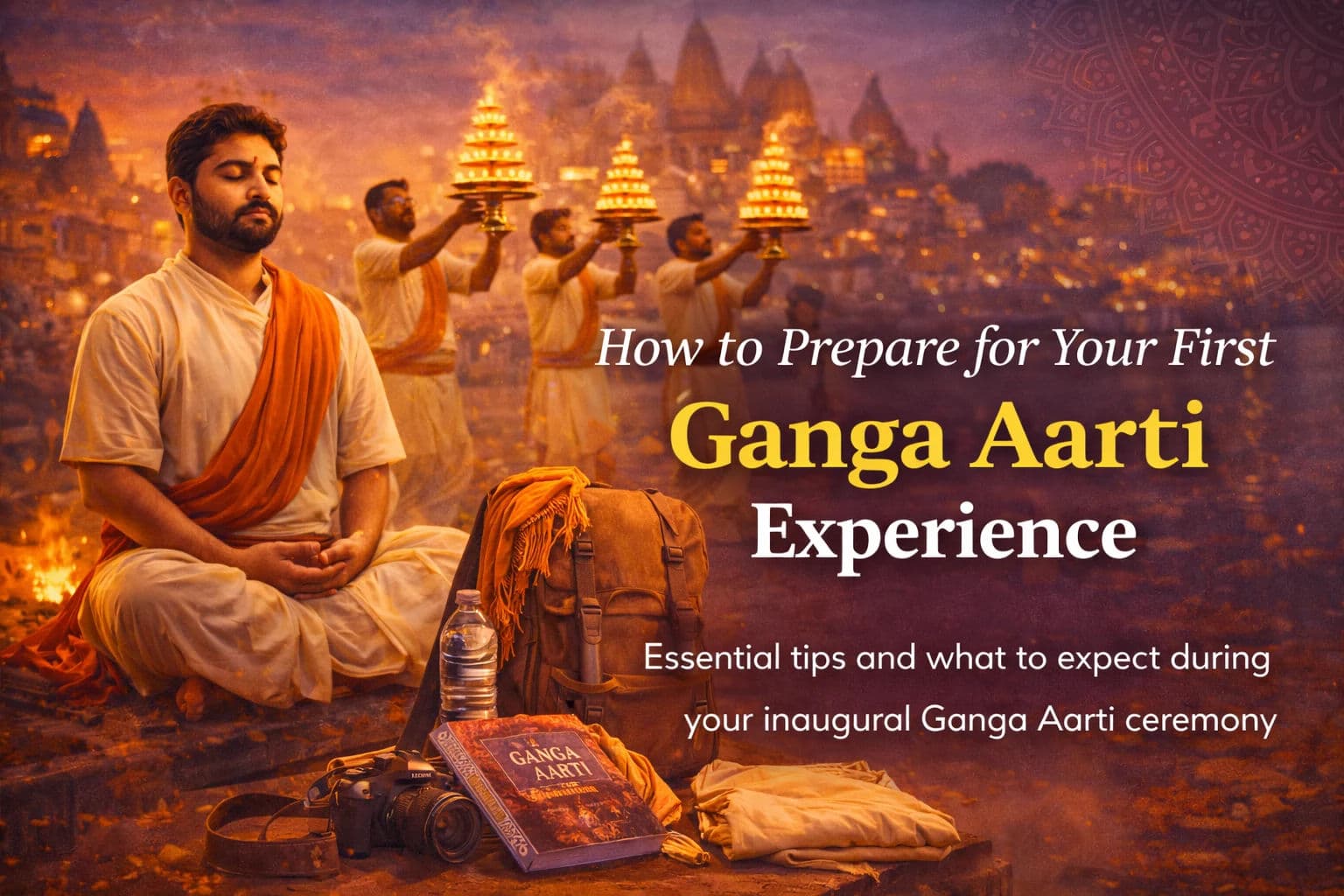
How to Prepare for Your First Ganga Aarti Experience
Essential preparation tips and what to expect during your inaugural Ganga Aarti ceremony in Varanasi.
Introduction
Your first Ganga Aarti experience can be transformative, but proper preparation ensures you get the most out of this sacred ceremony. Understanding what to expect and how to prepare mentally and physically will enhance your spiritual journey.
Begin by learning about the ceremony's structure and significance. Read about the various elements - the lamps, chants, and offerings - so you can follow along and appreciate the deeper meaning. Understanding the symbolism behind each ritual element adds depth to your experience.
Practical Preparation
Dress appropriately for the occasion. Opt for modest, comfortable clothing that allows you to sit for extended periods. Bring a light shawl or jacket, as evenings can be cool, especially during winter months.
Arrive early to secure a good viewing position. The best spots fill up quickly, especially during peak tourist season. Consider booking a guided experience that includes reserved seating and expert commentary.
Bring essentials like water, comfortable shoes for walking on ghats, and any personal items for your comfort. If you plan to take photographs, research the photography guidelines to ensure respectful practices.
Mental and Emotional Preparation
Prepare mentally by setting intentions for your visit. Reflect on what you hope to gain from the experience - whether it's spiritual insight, stress relief, or cultural understanding. Approach the ceremony with an open mind and heart.
Remember that Ganga Aarti is a living tradition that has evolved over centuries. Your presence as a respectful observer contributes to the ceremony's ongoing significance. Embrace the experience fully, allowing the sacred atmosphere to touch your soul.
Spiritual Preparation
Research forms the foundation of preparation. Study the ceremony's history, significance, and structure. Understand the role of different elements: the oil lamps, mantras, musical instruments, and performers. Learn about the spiritual symbolism behind each component.
Cultural context enhances appreciation. Read about Hindu traditions, the significance of the Ganges River, and Varanasi's role as a spiritual center. Understanding the broader context transforms the experience from observation to participation.
Mental preparation involves setting intentions and managing expectations. Reflect on why you're attending-seeking peace, spiritual insight, cultural understanding, or simply curiosity. Release expectations of dramatic experiences; the ceremony's power often unfolds subtly.
During the Ceremony
Physical preparation ensures comfort during the 45-60 minute ceremony. Choose loose, modest clothing suitable for sitting on the ground or stone surfaces. Layer clothing for variable evening temperatures. Comfortable, clean shoes are essential for navigating the ghats.
Health considerations include staying hydrated, eating light meals, and bringing necessary medications. The ceremony involves sitting for extended periods, so consider any physical limitations. Some visitors practice gentle yoga or stretching beforehand.
Logistical planning prevents unnecessary stress. Research transportation options to and from the ghats. Check weather forecasts and have contingency plans. If booking through a service, confirm all details in advance.
Photography preparation respects both your desires and cultural sensitivity. Research guidelines for respectful photography. Consider equipment needs and battery life. Some visitors choose to experience the ceremony without cameras to stay fully present.
Group dynamics matter if traveling with others. Discuss expectations and etiquette beforehand. Families with children should prepare them for the ceremony's duration and sacred nature.
Timing your arrival strategically ensures the best experience. Arrive 30-45 minutes early to secure seating and acclimate to the environment. Use this time for quiet reflection or light conversation.
During the ceremony, focus on full presence. Observe the performers' movements, listen to the mantras, watch the lamps, feel the river breeze. Allow the experience to unfold naturally without forcing interpretation.
Post-Ceremony Integration
Emotional preparation involves openness and patience. The ceremony may evoke various feelings-peace, awe, confusion, or insight. Allow emotions to surface without judgment. Some visitors experience profound moments; others find subtle beauty.
Spiritual preparation creates space for divine connection. Consider personal prayers, meditation, or reflection before attending. Approach with humility, recognizing participation in a centuries-old tradition.
Post-ceremony integration extends the experience's benefits. Spend time reflecting, journaling, or discussing with companions. Allow insights to deepen over time rather than seeking immediate understanding.
Multiple visits often yield richer experiences. Your first Aarti plants seeds that blossom with subsequent attendance. Each ceremony offers new layers of understanding and connection.
Final Thoughts
The most important preparation is cultivating the right attitude. Approach with respect, curiosity, and openness. The Ganga Aarti rewards those who come with genuine hearts, offering glimpses of divine beauty that transcend words and expectations.
The preparation includes understanding the ceremony's phases. Learn about the opening prayers, main chanting, lamp offerings, and closing rituals. This knowledge helps you follow along and appreciate the structure.
The preparation involves learning basic Sanskrit phrases. Understanding simple mantras or prayers enhances participation. Audio guides or apps can help with pronunciation and meaning.
The preparation extends to dietary considerations. Some visitors fast before the ceremony to heighten spiritual awareness. Others choose light, vegetarian meals that promote clarity and focus.
The preparation includes creating a personal ritual space. Set up a small altar at your accommodation with items that remind you of the sacred. This creates continuity between your preparation and the actual experience.
The preparation involves studying the performers' roles. Learn about the priests, musicians, and support staff who make the ceremony possible. Understanding their dedication adds appreciation for the event.
The preparation includes weather contingency planning. Have rain gear or sun protection ready, depending on the season. Being prepared for elements allows you to focus on the spiritual experience.
The preparation extends to learning about Varanasi's spiritual geography. Understand the significance of different ghats and temples. This knowledge creates context for your experience.
The preparation involves creating a personal soundtrack. Listen to similar chants or music before attending. This familiarizes you with the sounds and creates emotional resonance.
The preparation includes establishing a post-ceremony routine. Plan quiet time for reflection and integration. Journaling or meditation after the ceremony helps process the experience.
The preparation extends to understanding the concept of 'darshan.' Learn about receiving divine blessings through sight. This understanding enhances your visual engagement with the ceremony.
The preparation involves learning about the river's significance. Study the mythology and spiritual importance of the Ganges. This knowledge deepens your connection to the sacred waters.
The preparation includes creating meaningful intentions. Write down specific goals or questions you hope to address. This focused intention amplifies the ceremony's impact.
The preparation extends to physical fitness. Ensure you're comfortable sitting for extended periods. Practice meditation or yoga to build the necessary focus and stillness.
The preparation involves understanding crowd dynamics. Learn about peak seasons and how to navigate large groups respectfully. This practical knowledge enhances comfort.
The preparation includes creating a support network. Connect with others who have attended Aarti. Their experiences provide valuable insights and reduce anxiety.
The preparation extends to financial planning. Budget for donations, transportation, and any additional services. Being financially prepared allows focus on the spiritual aspects.
The preparation involves understanding the ceremony's timing. Learn how the sunset affects the experience and why this timing is significant. This knowledge adds depth to your appreciation.
The preparation includes creating a personal mantra. Choose a phrase or prayer that resonates with you. Use this during moments of the ceremony for personal connection.
The preparation extends to understanding the role of offerings. Learn about appropriate gifts for the river or performers. This knowledge allows meaningful participation.
The preparation involves studying the visual elements. Understand the symbolism of lamps, flowers, and decorations. This visual literacy enhances your experience.
The preparation includes creating a flexible mindset. Accept that the experience may not match expectations. This openness allows for authentic spiritual encounters.
The preparation extends to learning about the community's role. Understand how locals participate and support the tradition. This perspective fosters cultural respect.
The preparation involves establishing energy boundaries. Learn techniques to protect your energy in large crowds. This ensures you can fully engage without becoming overwhelmed.
The preparation includes creating a gratitude practice. Develop habits of thankfulness before and after the ceremony. This attitude enhances the positive energy of the experience.
The preparation extends to understanding the ceremony's evolution. Learn how the Aarti has changed over centuries while maintaining its core essence. This historical perspective adds richness.
The preparation involves creating sensory awareness. Practice mindful observation of sights, sounds, and feelings. This skill enhances your engagement with the multisensory ceremony.
The preparation includes learning about the performers' training. Understand the years of dedication required. This knowledge fosters appreciation for their skill and devotion.
The preparation extends to understanding the concept of 'prasad.' Learn about blessed offerings distributed after ceremonies. This knowledge prepares you for post-ceremony traditions.
The preparation involves creating a personal ritual. Develop pre-ceremony practices that align with your beliefs. This creates a bridge between your life and the sacred experience.
The preparation includes understanding the role of music. Study the ragas and instruments used. This musical knowledge enhances auditory appreciation.
The preparation extends to learning about the lamps' significance. Understand the oil, wicks, and flame symbolism. This knowledge deepens visual engagement.
The preparation involves creating emotional resilience. Prepare for various feelings that may arise. This emotional preparedness allows authentic processing.
The preparation includes understanding the collective energy. Learn how group participation amplifies individual experience. This awareness enhances your participation.
The preparation extends to creating a follow-up plan. Plan how to integrate insights into daily life. This ensures the experience has lasting impact.
The most comprehensive preparation combines all these elements. When you prepare practically, mentally, emotionally, and spiritually, you create the optimal conditions for a transformative Ganga Aarti experience. The preparation is not about perfection-it's about creating receptivity. When you arrive prepared yet open, the ceremony can work its magic in profound and unexpected ways. The preparation teaches that the journey to the ceremony is part of the spiritual experience itself. Each step of preparation builds anticipation and intention, amplifying the ceremony's impact. The preparation extends to understanding that the first experience is just the beginning. Many visitors return multiple times, each visit revealing new layers of meaning and beauty. The preparation involves accepting that transformation may be gradual. The seeds planted during your first Aarti may blossom over time, leading to unexpected spiritual growth. The preparation includes creating a personal narrative. Reflect on how this experience fits into your larger spiritual journey. This context gives the ceremony deeper personal significance. The most important preparation is cultivating genuine curiosity and respect. When you approach the Ganga Aarti with an open heart and willing spirit, the experience becomes truly transformative, offering insights and blessings that enrich your life for years to come.
You Might Also Like