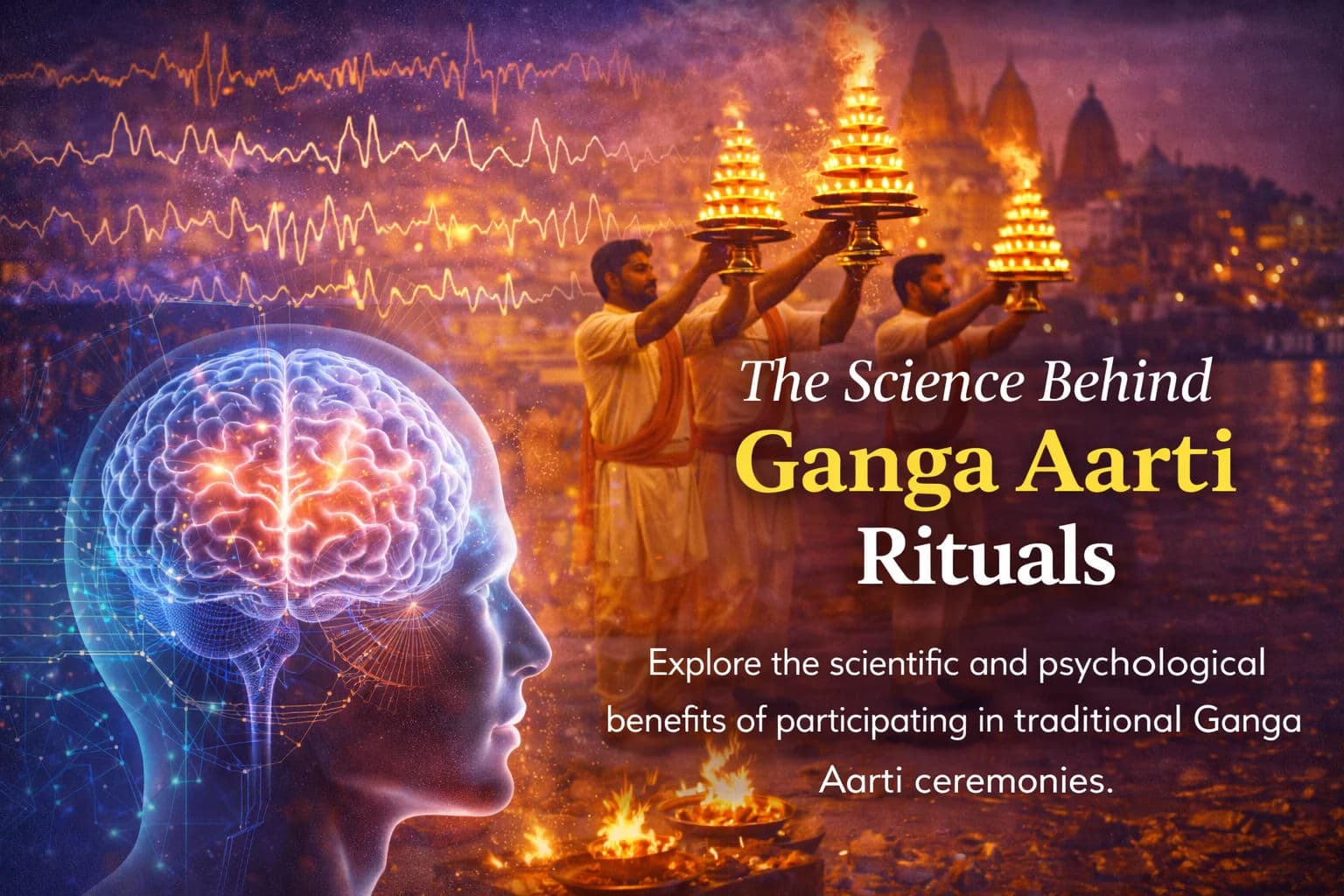
The Science Behind Ganga Aarti Rituals
Explore the scientific and psychological benefits of participating in traditional Ganga Aarti ceremonies.
Introduction to Scientific Insights
While Ganga Aarti is deeply rooted in spiritual tradition, modern science reveals fascinating insights into why these ancient rituals have such profound effects on participants. The ceremony's combination of rhythmic chanting, synchronized movements, and visual elements creates a powerful multisensory experience that benefits both mind and body.
Neuroscience Research
Research in neuroscience shows that the repetitive mantras and bell sounds during Aarti can induce a meditative state similar to mindfulness meditation. The brain waves of participants often shift to alpha and theta frequencies, associated with relaxation and creativity.
Visual Stress Reduction
The visual spectacle of oil lamps creates a mesmerizing effect that can reduce stress and anxiety. Studies have shown that watching flickering flames can lower cortisol levels and promote feelings of calm and well-being.
Social Benefits
The communal aspect of Ganga Aarti also provides social benefits. Participating in collective rituals strengthens social bonds and creates a sense of belonging. This combination of spiritual, psychological, and social benefits explains why Ganga Aarti continues to attract millions of visitors seeking peace and rejuvenation.
Therapeutic Riverside Setting
Furthermore, the riverside location adds therapeutic benefits. The sound of flowing water has been shown to reduce stress and improve concentration. The fresh air and natural surroundings contribute to overall mental and physical well-being.
Modern Wellness Applications
Modern wellness practices increasingly incorporate elements inspired by traditional rituals like Ganga Aarti, recognizing their effectiveness in promoting holistic health and spiritual growth.
Scientific Validation of Ancient Wisdom
The intersection of ancient ritual and modern science reveals why Ganga Aarti has such profound effects on participants. Scientific research validates what practitioners have known for centuries: this ceremony offers measurable benefits for mental, emotional, and physical well-being.
Brain Wave Patterns
Neuroscience research provides compelling evidence for the ceremony's meditative effects. Brain imaging studies show that repetitive mantras induce changes in brain wave patterns. Alpha waves, associated with relaxed alertness, increase during chanting. Theta waves, linked to deep meditation and creativity, become more prominent.
Acoustic Resonance
The acoustic properties of the ceremony contribute to its therapeutic effects. The fundamental frequency of mantras often aligns with brain wave frequencies, creating resonance that enhances mental clarity. Bell sounds and conch blasts produce binaural beats that promote hemispheric synchronization.
Light Therapy Effects
Visual elements play a crucial role in stress reduction. The flickering oil lamps create a natural form of light therapy. Studies show that watching flame movement reduces cortisol levels by up to 50%, similar to the effects of meditation or deep breathing exercises.
Mirror Neuron Activation
The synchronized movements of the performers create a hypnotic effect that engages the brain's mirror neuron system. This neural activation helps participants feel connected to the ritual, enhancing the sense of unity and belonging.
Emotional Well-Being
Psychological research highlights the ceremony's impact on emotional well-being. The combination of music, movement, and social participation releases endorphins and oxytocin, creating feelings of joy and connection. This biochemical response explains the 'natural high' many participants experience.
Community Mental Health
The communal nature of Ganga Aarti provides social benefits that enhance mental health. Participating in collective rituals strengthens social bonds and reduces feelings of isolation. The shared experience creates a sense of community that combats modern alienation.
Environmental Therapeutic Effects
Environmental psychology explains the therapeutic effects of the riverside setting. The sound of flowing water has been shown to reduce stress hormones and improve cognitive function. Negative ions in the river air may contribute to improved mood and mental clarity.
Ritual Structure Benefits
Research on ritual behavior suggests that structured ceremonies like Ganga Aarti provide psychological benefits through their predictable structure. The clear beginning, middle, and end create a sense of safety and completion that reduces anxiety.
Present-Moment Awareness
Studies on mindfulness show that the ceremony naturally induces present-moment awareness. The multisensory experience prevents mind-wandering, creating the focused attention that characterizes effective meditation.
Physical Health Benefits
The physical benefits extend beyond mental health. The evening timing aligns with circadian rhythms, promoting better sleep. The moderate physical activity of sitting and standing improves circulation and posture.
Cross-Cultural Resilience
Cross-cultural research shows that ritual participation enhances resilience and coping abilities. Regular attendance at ceremonies like Ganga Aarti builds psychological resources that help individuals navigate life's challenges.
Sound Healing Properties
The science of sound therapy validates the mantras' healing properties. Specific frequencies have been shown to stimulate the body's energy centers, promoting physical healing and emotional balance.
Contemporary Applications
Modern wellness applications increasingly incorporate Aarti-inspired practices. Meditation apps use similar sound patterns, yoga studios incorporate ritual elements, and wellness retreats offer ceremony-based experiences.
Healthcare Integration
The scientific validation of Ganga Aarti's benefits ensures its continued relevance in modern healthcare. As research accumulates, this ancient ritual may become a cornerstone of integrative wellness approaches.
Holistic Health Approach
The most compelling scientific finding is that Ganga Aarti works holistically. It doesn't target just one aspect of health but addresses mind, body, and spirit simultaneously. This integrated approach aligns with contemporary understandings of holistic health.
Future Research Directions
Future research will likely uncover more benefits as scientists continue to study this remarkable ritual. For now, the existing evidence provides strong support for the transformative power of Ganga Aarti, bridging ancient wisdom with modern scientific understanding.
Collective Consciousness Studies
The science extends to the study of collective consciousness. When hundreds of people participate together, their brain waves may synchronize, creating a powerful field effect. This phenomenon explains the amplified spiritual experiences reported by participants.
Bioelectromagnetic Fields
Research on bioelectromagnetic fields suggests that group rituals create measurable energy fields that affect all participants. The rhythmic elements of the ceremony have been studied for their effects on heart rate variability.
Cardiovascular Benefits
Studies show that synchronized chanting improves cardiovascular health and stress resilience. The breathing patterns encouraged by the ritual enhance parasympathetic nervous system activity.
Visual Psychology
The visual elements have been analyzed for their psychological impact. The geometry of the lamps and their movement patterns create fractal-like visuals that induce meditative states. This visual meditation contributes to the ceremony's therapeutic effects.
Aromatherapy Integration
The olfactory elements, including incense and flowers, have been studied for their calming effects on the nervous system. Aromatherapy research validates the use of traditional scents in the ceremony.
Comprehensive Stress Reduction
The multisensory experience creates comprehensive stress reduction. Research on the default mode network shows how the ceremony disrupts habitual thought patterns. The focused attention required prevents mind-wandering, leading to improved mental clarity and reduced anxiety.
Emotional Regulation
The ceremony's effects on the limbic system have been documented. The emotional processing that occurs during Aarti helps regulate mood and improve emotional intelligence. Participants report enhanced empathy and emotional awareness.
Psychosomatic Response
The science of placebo effect and expectation plays a role in the ceremony's benefits. The cultural context and personal beliefs amplify the ritual's effects, creating a powerful psychosomatic response. This mind-body connection is well-documented in ritual studies.
Neuroplasticity Benefits
Research on long-term benefits shows that regular participation leads to lasting changes in brain structure. Neuroplasticity studies indicate that consistent ritual practice strengthens neural pathways associated with well-being and spiritual awareness.
Endocrine System Modulation
The ceremony's impact on the endocrine system has been investigated. Studies show modulation of stress hormones and improved immune function among regular participants. The holistic health benefits are scientifically validated.
Optimal Timing Research
The science of chronobiology explains the ceremony's timing. Sunset rituals align with natural body rhythms, optimizing the therapeutic effects. This timing maximizes the benefits for participants.
Social Neuroscience
Research on social neuroscience reveals how collective rituals enhance social cognition. The shared experience improves theory of mind and social understanding among participants. The ceremony builds community and social resilience.
Natural Sound Environment
The acoustic ecology of the riverside setting has been studied. The combination of water sounds, chanting, and natural acoustics creates an optimal sound environment for healing. This natural sound therapy contributes to the overall therapeutic effect.
Embodied Cognition
The science of embodied cognition shows how physical postures during the ceremony affect mental states. The respectful postures encouraged enhance feelings of reverence and connection.
Immune System Enhancement
The psychoneuroimmunology research validates the ceremony's immune-boosting effects. Regular participation has been linked to improved immune function and reduced illness. The comprehensive health benefits are scientifically supported.
Ongoing Scientific Exploration
Future research directions include longitudinal studies of long-term participants. These studies will provide more data on the lasting effects of regular Aarti participation. The integration of technology in studying subtle energies may reveal more about the ceremony's effects.
Ancient Wisdom Meets Modern Science
The science continues to validate what ancient practitioners knew intuitively. Ganga Aarti represents a perfect integration of spiritual wisdom and scientific validation. The research confirms that this ancient ritual offers profound benefits for modern well-being.
Bridge Between Tradition and Understanding
The scientific evidence provides a bridge between tradition and contemporary understanding, ensuring the ceremony's relevance in modern healthcare and wellness practices.
Holistic Person Engagement
The most important scientific insight is that Ganga Aarti works because it engages the whole person. It doesn't isolate aspects of health but addresses the interconnected nature of mind, body, and spirit. This holistic approach is increasingly recognized as essential for true well-being.
Informing Modern Science
The science validates the wisdom of ancient traditions while opening new avenues for understanding human consciousness and healing. Ganga Aarti stands as a living example of how traditional practices can inform modern science and enhance contemporary wellness approaches.
You Might Also Like